
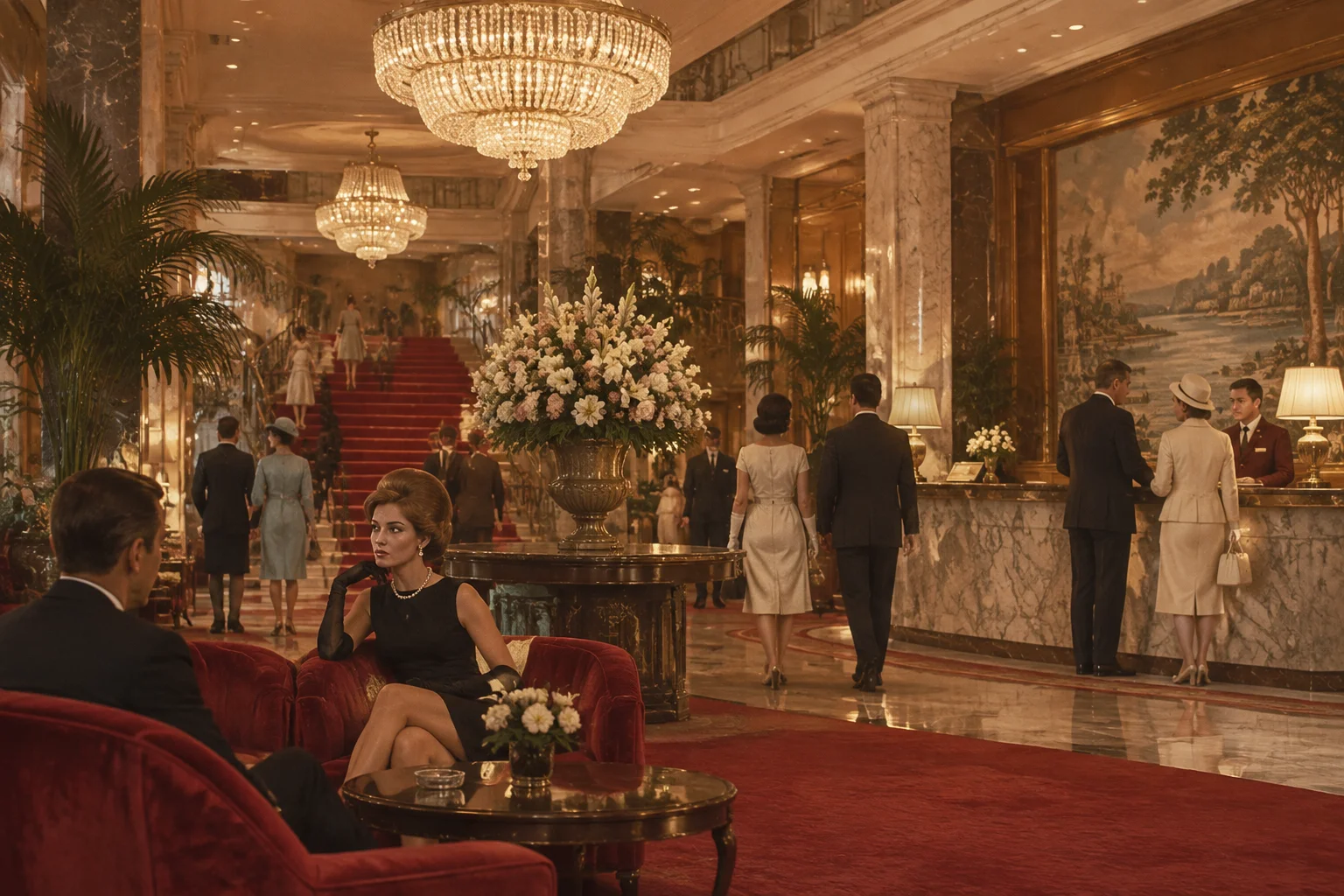
The dusty stretch of Highway 91 in southern Nevada offered little more than desert sagebrush and distant mountain silhouettes during the early decades of the twentieth century. Within just a few rapid decades, visionary entrepreneurs converted this isolated corridor into the legendary Las Vegas Strip, creating an unprecedented sanctuary for modern recreation.
Early operators recognized that highway travelers required more than standard lodgings after hours on arid highways. By pairing air-conditioned guest wings with around-the-clock table games, refreshing swimming complexes, and live music lounges, properties like the El Rancho Vegas and Hotel Last Frontier reshaped American leisure expectations forever.
Historical Context & Significance
The opening of the Flamingo in December 1946 marked the turning point from rustic western motor lodges toward sophisticated Miami-inspired luxury, setting design benchmarks that defined desert resort architecture for half a century.
01.From Desert Waypoints to Glamorous Showplaces
Early resort construction prioritized intimacy and open-air movement, featuring low-slung ranch bungalows arranged around sprawling pool plazas. As passenger rail service expanded and municipal airfield facilities matured, designers introduced dramatic glass facades, neon pylon signposts, and expansive carpeted gaming halls capable of entertaining thousands concurrently.
The Sands & The Copa Room
Established in 1952, this venue became synonymous with Rat Pack camaraderie, impeccable acoustics, and late-night improvisational stage shows that lured international jet-setters.
The Desert Inn Legacy
Debuting in 1950 with an 18-hole championship golf course, it proved that high-stakes casino complexes could successfully operate as comprehensive country club getaways.
02.The Mid-Century Modern Revolution
During the late 1950s and 1960s, master architects brought Googie curves, towering space-age pylons, and dramatic cantilevered porte-cochères to the boulevard. Properties like the Riviera and the Stardust abandoned old rustic motifs entirely, favoring glittering glass curtain walls and luminous illuminated marquees visible across miles of night desert.
Culinary concepts also evolved rapidly during this transformation. World-renowned European chefs took charge of gourmet dining rooms, elevating dinner theater menus from basic steaks to classic French cuisine, transforming the Strip into an international dining destination.
Pivotal Eras of Las Vegas Resort Development
| Resort Era | Architectural & Operational Landmark |
|---|---|
| 1941 – 1946: Oasis Frontier | Low-profile western ranches with roadside motor courts and open courtyard swimming pools. |
| 1946 – 1955: Miami Glamour | Introduction of lush landscaping, fine dining showrooms, and high-roller private gaming salons. |
| 1955 – 1969: Space-Age Modernism | High-rise hotel towers, colossal neon signs, and dedicated resident entertainer headliner contracts. |
| 1989 – Present: Integrated Megaresorts | Multi-thousand room self-contained complexes with convention centers, spas, and luxury retail. |
03.The Transition to Integrated Entertainment Giants
The dawn of the modern megaresort era proved that the core philosophy of early Vegas pioneers remained resilient: seamless integration of hospitality, recreation, and architectural wonder under one grand roof. While historic structures made way for towers of steel and glass, their operational traditions continue to inform luxury hospitality across every continent.
Key Archival Takeaways
- Comprehensive resort layouts established poolside recreation and theatrical dining as primary guest draws.
- Architectural experiments of the 1950s paved the way for monumental illuminated signage as iconic urban art.
- The legacy of early strip hospitality survives today in contemporary integrated resort master planning.
Experience Modern Nevada Luxury
Discover premier casino resorts where timeless mid-century hospitality meets state-of-the-art accommodations and culinary excellence.
Questions or corrections?
For information about this guide, email [email protected]. Reservations and booking support are handled by the external provider.
Contact the editorial team